
House Rules or Charts
Things to remember
3/16/20262 min read
Things to Remember While Setting Up House Rules or Charts
Creating daily routines and managing behaviour can feel overwhelming at times.
Simple tools like charts and house rules can make a big difference.
They give children clarity, structure, and predictability — helping them feel more confident and independent in their daily life.
Why Charts and House Rules Help
When expectations are clear and visible, children don’t have to constantly guess what’s coming next.
This reduces anxiety and makes everyday routines smoother.
Things to Keep in Mind
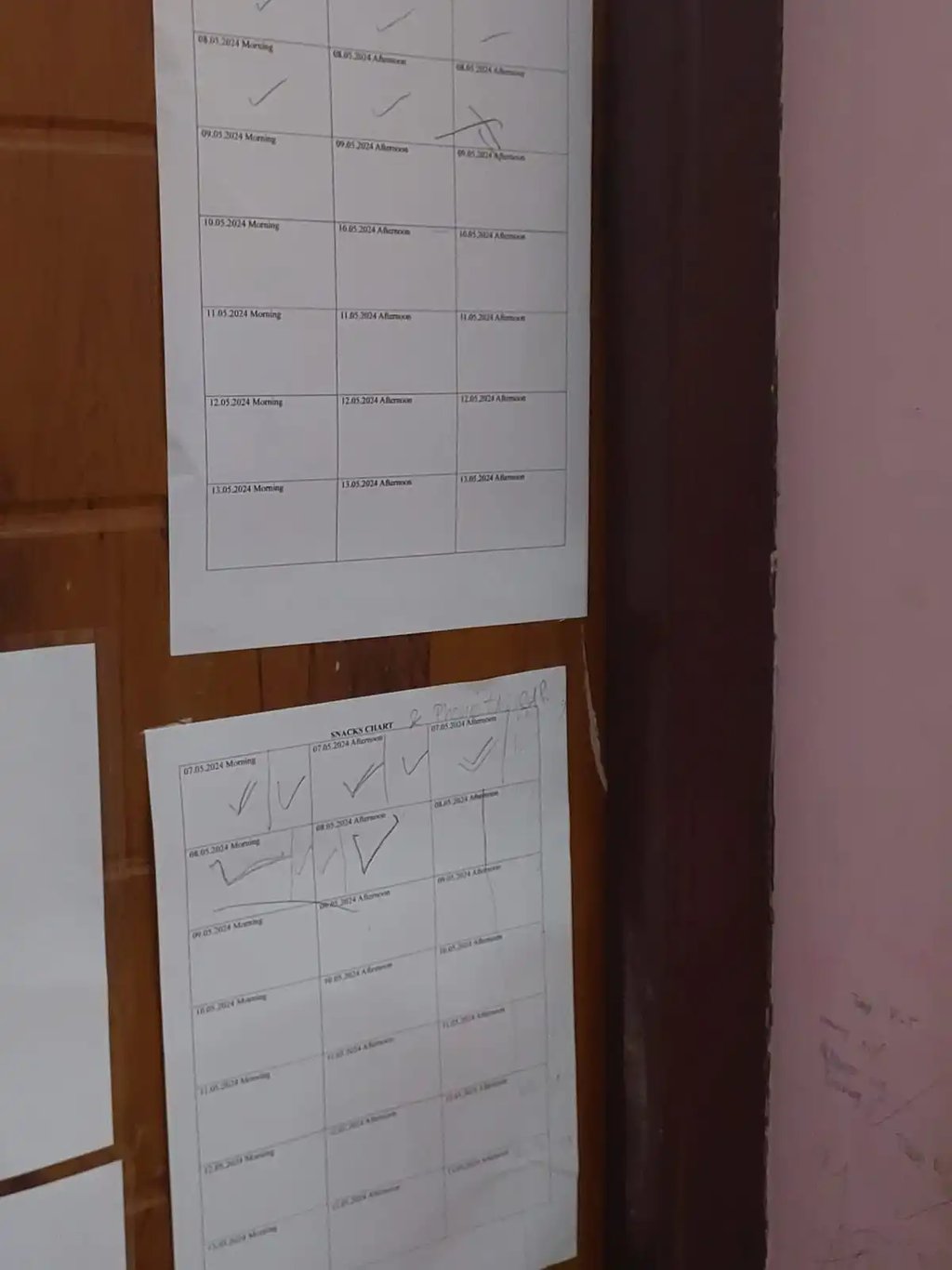
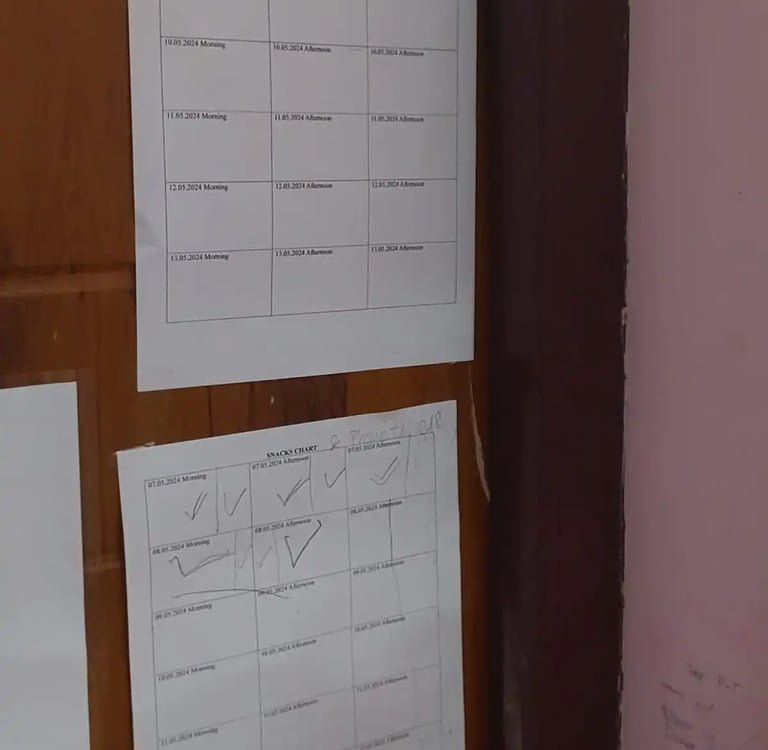
• Use charts for daily routines
From brushing teeth to playtime, use charts for anything you want to structure.
• Let the child take ownership
Allow your child to mark or manage the chart. This builds responsibility and engagement.
• Keep it fair and equal
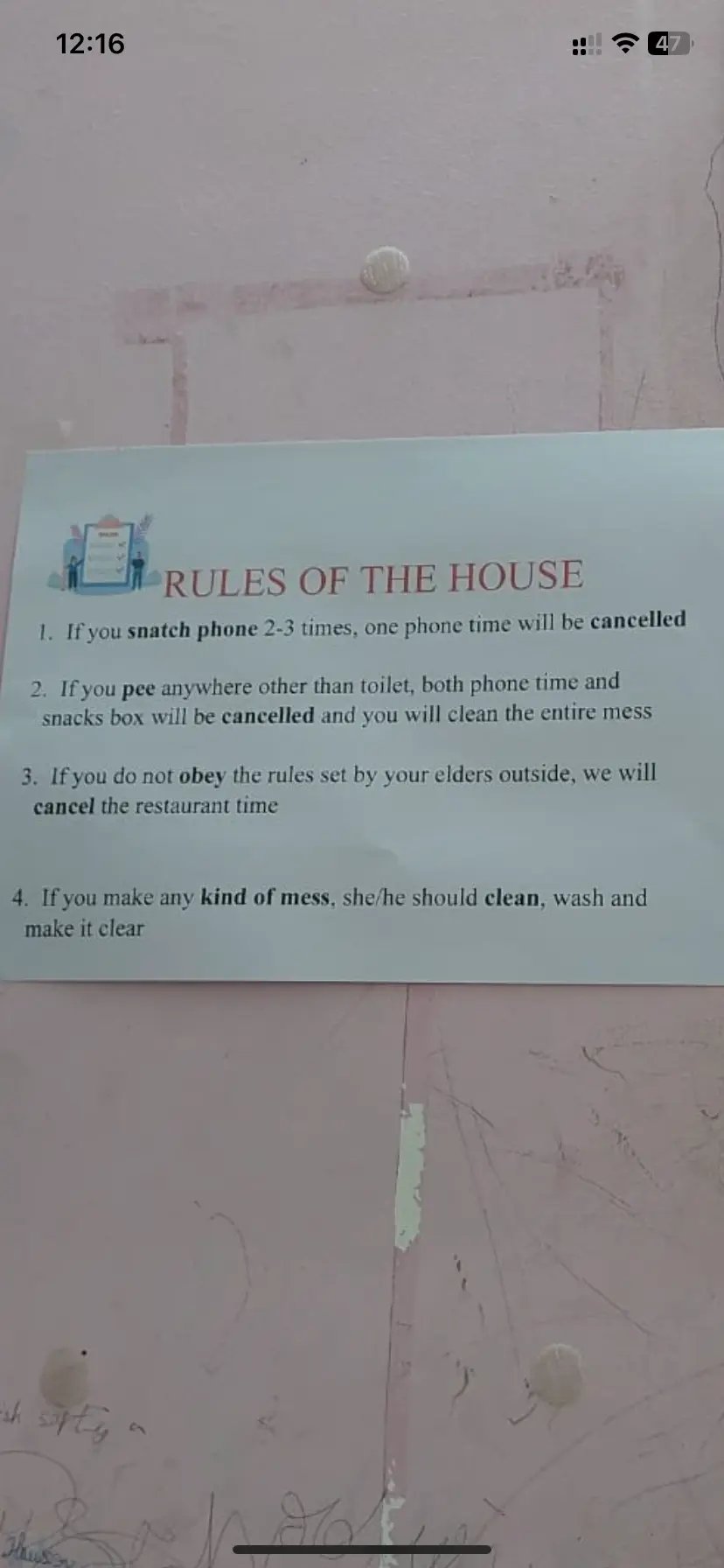
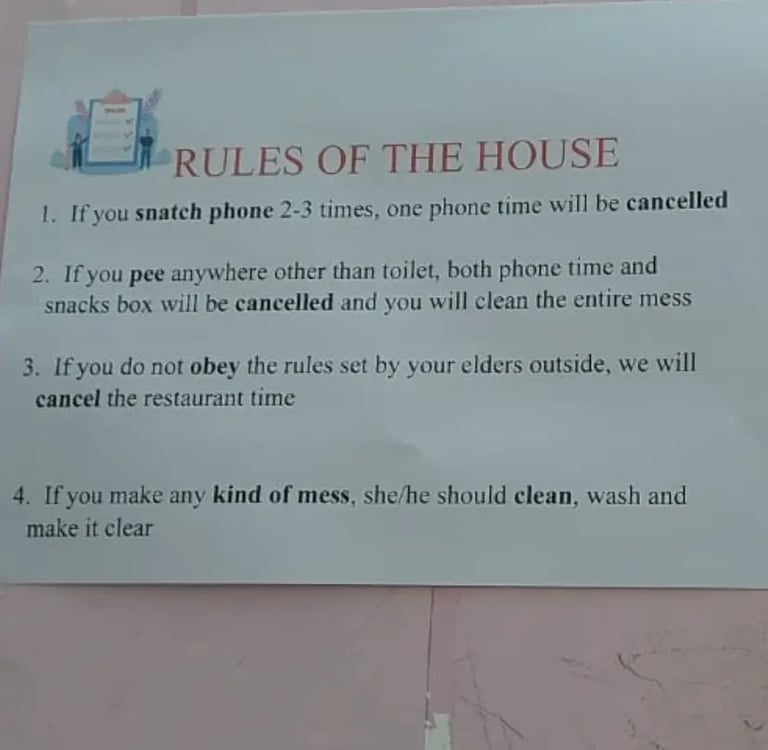
House rules are not punishments. They apply to everyone in the family.
• Consider the child’s age
These strategies usually work best for children aged 7 years and above.
• Consistency is key
Follow the system consistently for a few weeks. That’s when you’ll start seeing real change.
• Stay gentle while guiding behaviour
Charts can support behaviour, but the tone should always remain calm, respectful, and supportive.
• Make it a shared system
House rules are not set by one person.
They are family rules — or something that “belongs to the house.”
Instead of saying:
“You lost phone time”
Try:
“Oh, looks like the house rules say no phone time today.”
This reduces power struggles and keeps things neutral.
Final Thought
Charts and house rules are not about control.
They are about creating a safe, predictable environment where children can grow with confidence.
Disclaimer
These ideas are shared by RDI® Consultant Harsh Tharad based on professional experience.
While they may be helpful for many children, strategies are most effective when adapted to the individual needs of each child.
SnehShakti Foundation
Supporting families navigating ASD, ADHD, and related developmental differences through practical, relationship-focused guidance.
Explore
Community
Contact
EMAIL - hello@snehshaktifoundation.org